


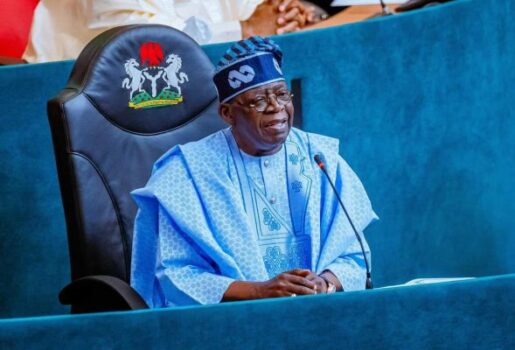
Abuja, Nigeria — For the first time in three years, Nigeria achieved a balance-of-payments surplus in 2024, marking a major economic milestone. According to the Central Bank of Nigeria, the nation posted a surplus of US $6.83 billion, reversing deficits of around US $3.3 billion in both 2023 and 2022 (Bloomberg, Reuters). This welcome turnaround was driven by bold reforms: aggressive oil and gas production, removal of fuel subsidies, and a free-floating naira.
The World Bank confirmed strong economic performance, revealing a 4.6% growth in Q4 2024, accelerated public revenue, and a halved fiscal deficit — from 5.4% in 2023 to 3% in 2024. Foreign exchange reserves have also been rebuilt to over US $37 billion, supported by more stable exchange rate policies. Nonetheless, inflation remains persistently high, and the promised spill‑over benefits of reforms are yet to fully materialize.
Social Media Outcry: From Online Memes to Street Mobilisation
Beyond the official narrative, public sentiment in the digital space erupts with frustration. Academic studies reveal striking negative social media sentiment: a notable 68.3% of posts on X (formerly Twitter) and Facebook about the fuel subsidy removal were critical, while only 18.3% could be classified as positive, according to a ResearchGate study. One typical remark read: “Fuel subsidy removal has thrown Nigerians into poverty.”
Analysts note that internet memes and viral content frame the reforms as solutions turned into problems — a “magic, but not the good kind,” as seen in commentary on Facebook forums, reflecting deep skepticism online. Another academic paper also examined how Tinubu’s “Let the Poor Breathe” messaging on social media influenced public perception — often interpreted as dismissive of citizens’ struggles (ResearchGate).
Politically charged protests such as the #EndBadGovernance movement in August 2024 further underscore outrage. These “Days of Rage” were sparked by soaring living costs, with protesters demanding rollback of subsidy removal and condemning economic mismanagement. At least 22 protesters were killed, and over 1,100 were arrested during the crackdown. Earlier in mid‑2024, massive general strikes led by the NLC and TUC nearly brought the economy to a standstill, culminating in a controversial settlement that raised the national minimum wage to ₦70,000 after weeks of shutdown.
Governor Tinubu frequently appealed for patience, warning that reforms would deliver long-term gains. Still, citizens on social media and in the streets see an uneven narrative — where, as critics argue, public sacrifice subsidizes governance perks.
Critics Voice: Where Are the Gains?
Despite public appeals to share hardship for future stability, many Nigerians question the direction of government spending. Critics point to the disparate allocation of resources: while citizens endure fuel price shocks and inflation, elite projects such as Lagos coastal roads, acquisition of private jets, and luxury yachts garner attention as symbols of skewed priorities.
This tension is heightened by recent policies. JPMorgan has warned that if oil prices remain below US $60 per barrel, Nigeria could slip back into a current account deficit — a chilling reminder of lingering vulnerabilities. And while reforms have lifted macro indicators, human development outcomes remain dire: nearly a third of Nigerians still live on less than US $2.15/day, life expectancy hovers at age 54, and infrastructure deficits — especially electricity and water — remain acute, as The Guardian and Financial Times have reported.
Amnesty International and others have decried restrictions on dissent. A high-profile case involved the banning of Eedris Abdulkareem’s protest song Tell Your Papa, which criticized Tinubu’s policies as causing widespread hardship. Authorities tagged it “inappropriate,” prompting accusations of censorship. Amnesty warned the move violated artistic freedom.
Looking Ahead: A Precarious Road to Recovery
Nigeria’s macroeconomic indicators now project hope, but citizens bear the scars. Tinubu’s “shock‑therapy” economic model may yet steer the economy toward stability. However, without targeted social investment, equitable resource distribution, and respect for dissent, the gains risk deepening existing inequalities.
Critics urge the government to redirect subsidy savings toward healthcare, education, and rural infrastructure, rather than glossy urban projects. They demand transparent budgeting and assurances that reforms won’t deliver prosperity only to a privileged few.
Policymakers must also heed warnings from financial institutions: a sharp oil downturn could quickly unravel gains unless diversification is accelerated. Social media, activism, and offline protest remain potent barometers of public tolerance — and pressure — as Nigeria navigates this fragile economic transition.