


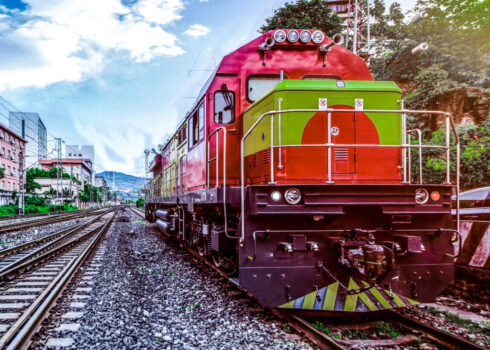
South Africa has taken a historic step toward revitalizing its struggling logistics sector by officially opening its freight rail network to private train operators. Transport Minister Barbara Creecy announced on August 22, 2025, that eleven private companies have been conditionally approved to operate across 41 routes spanning six major corridors, marking the end of state-owned Transnet’s decades-long monopoly over the continent’s most extensive rail system.
The breakthrough comes as Transnet’s freight volumes plummeted from 226 million metric tons in 2017/18 to just 152 million tons in 2023/24, forcing mining giants like Kumba Iron Ore and Thungela Resources to drastically curtail production due to transport bottlenecks. The economic toll has been devastating, with economists estimating Transnet’s failures cost the South African economy R505 billion annually – nearly 7.5% of GDP.
Game-Changing Investment Potential Unlocks
The approved operators will inject desperately needed capacity, with projections showing an additional 20 million tons of freight annually starting from the 2026/27 financial year. More significantly, the Rail Policy framework could unlock up to R100 billion in new rolling stock investments, fundamentally transforming South Africa’s logistics landscape.
Grindrod Limited, a prominent South African logistics firm, emerged as the first company to publicly confirm its approval, with CEO Xolani Mbambo describing it as “a significant milestone in South Africa’s rail reform journey.” The company has already committed R1.2 billion for new locomotives and wagons, signaling serious private sector commitment to the initiative.
Mining Industry Welcomes Cautious Optimism
The mining sector, which has borne the brunt of Transnet’s decline, expressed measured optimism about the reforms. Kumba Iron Ore CEO Mpumi Zikalala acknowledged “a fundamental change in speed” from government, while emphasizing that strategic rail assets should remain under state ownership.
Coal exporters have been particularly affected, with export volumes dropping to a 30-year low of 48 million tons in 2023. The new operators could add 10 million tons of coal export capacity over three years, providing crucial relief to producers who have been forced to stockpile millions of tons at mines.
Social Media Reflects Mixed Public Sentiment
Online reactions reveal complex public sentiment toward the privatization initiative. While business forums and logistics professionals largely welcome the reform, social media discussions reflect broader concerns about job displacement and foreign involvement. The #PutSouthAfricaFirst movement, which gained significant traction on Twitter, represents growing nationalist sentiment around economic policy decisions.
African Rail Industry Association CEO Mesela Nhlapo emphasized on SABC News that “rail reform requires a strong Transnet” and stressed collaboration over competition, stating that “in railways, collaboration is the law of civilization.”
Regulatory Framework Ensures Oversight
The reform operates within a comprehensive regulatory structure established by the Economic Regulation of Transport Act, which created the Transport Economic Regulator to ensure fair access and competitive pricing. The final Network Statement, published in December 2024, provides detailed operational frameworks while maintaining state ownership of infrastructure.
Contract durations range from one to ten years, with strict conditions including Railway Safety Regulator permits, rolling stock readiness, and secured port capacity. Applications for additional routes will open next week, with the 2026/27 timetable expected to show the first major operational impacts.
Continental Implications and Future Outlook
This reform positions South Africa as a potential model for rail privatization across Africa, where infrastructure challenges plague multiple countries. The initiative aligns with President Cyril Ramaphosa’s broader infrastructure revitalization strategy and could catalyze similar reforms across the SADC region.
The success of this historic transition will ultimately depend on effective collaboration between public and private sectors, adequate investment in infrastructure rehabilitation, and sustained political commitment to reform. With government backing including R149 billion in guarantees for Transnet and additional funding from international partners like the New Development Bank’s R5 billion loan, the foundation appears solid for transforming Africa’s largest rail network into a catalyst for economic growth.
As operations commence in 2026, South Africa’s rail reform could serve as either a blueprint for public-private partnerships or a cautionary tale – with continental implications extending far beyond its borders.