


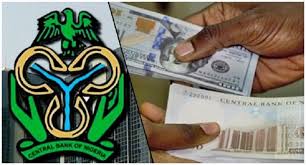
Lagos, Nigeria – Nigeria’s currency experienced modest growth in August 2025 as the Central Bank of Nigeria’s (CBN) aggressive policy reforms and surging diaspora remittances helped stabilize the foreign exchange market and boost external reserves to a four-year high of $41.26 billion.
The naira strengthened by 0.14 percent against the dollar in the official Nigerian Foreign Exchange Market (NFEM), closing at N1,531.57 on the final trading day of August compared to N1,533.74 at the beginning of the month. More significantly, the parallel market saw the naira gain 0.8 percent, trading at N1,542 per dollar, down from N1,555 in early August.
Speaking at the Delta State-Brazil Business and Investment Roundtable in São Paulo, Brazil, CBN Governor Olayemi Cardoso revealed that diaspora remittances have surged by 200 percent in just two months, jumping from approximately $200 million to $600 million monthly. The apex bank projects these inflows could reach at least $1 billion per month by 2026.
“Our exchange rate is becoming a lot more competitive,” Cardoso stated. “Those who used to feel, especially the diasporans, who thought they had to look for another channel to send money back home, no longer have to do so”. The governor attributed this transformation to improved remittance channels and Nigeria’s more competitive exchange rate policies.
Market analysts note that foreign portfolio investors (FPIs) now account for 45 percent of total FX inflows, with offshore investor inflows rising to $1.7 billion in July from $1.5 billion in June. Total foreign exchange inflows climbed to approximately $3.8 billion in July, representing a 24 percent month-on-month increase, though still below the $6.7 billion peak recorded in May.
Social Media Reflects Growing Economic Confidence
Across digital platforms, Nigerian social media users have expressed cautious optimism about the currency’s performance. Twitter conversations show increased confidence in official banking channels, with many diaspora Nigerians sharing experiences of using naira-denominated cards abroad and reduced reliance on parallel market transactions.
Financial analysts on LinkedIn and industry forums have praised the CBN’s transparent “willing buyer, willing seller” digital platform, which has virtually eliminated the arbitrage opportunities that previously existed between official and parallel markets. The exchange rate gap has compressed from over 60 percent to as little as N1, marking a significant achievement in market unification.
However, some social media discussions reveal lingering concerns about food inflation and the sustainability of current growth trends, particularly among small business owners who still face challenges accessing foreign exchange through official channels.
Nigeria’s external reserves trajectory represents the highest level recorded since December 3, 2021, adding approximately $1.72 billion or 4.35 percent growth during August alone. This improvement coincides with increased crude oil production, rising non-oil exports, and enhanced investor confidence following rating upgrades from international agencies.
The convergence of official and parallel market rates, combined with sustained foreign investment inflows and robust diaspora support, suggests Nigeria’s foreign exchange market is experiencing its most stable period in recent years. As Governor Cardoso noted, “These flows are helping to diversify our foreign exchange portfolio” while reducing the economy’s traditional over-reliance on oil revenues.