


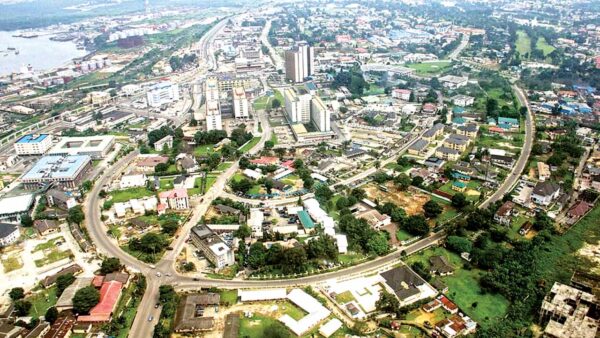
From Garden City to Ghost Town: The Tragic Decline of Port Harcourt – Scrolling through social media these days, you’ll find heartbreaking testimonies from Nigerians who barely recognize Port Harcourt anymore. “I was in PH a few weeks ago and what I saw drove me to tears. By 9pm everywhere was as quiet as a cemetery,” wrote one economist who recently visited Nigeria’s oil capital. This sentiment echoes across platforms from Twitter to Instagram, painting a grim picture of what locals are calling the decline of Port Harcourt.
Once proudly dubbed the “Garden City” for its pristine greenery and vibrant atmosphere, Port Harcourt in Rivers State has become a shadow of its former self. The city that once pulsed with energy 24/7, where oil executives rubbed shoulders with entertainment moguls in bustling nightclubs, now struggles to maintain even basic municipal services. As YouTube creators document and Instagram users lament, the transformation has been both rapid and devastating.
The numbers tell a sobering story. Entertainment venues report nightlife declining by 60%, with some establishments recording sales drops to just 20% per night. Businesses across GRA, Odili Road, and Computer Village have witnessed 60-80% losses in sales. The Performing Musicians Association of Nigeria (PMAN) has repeatedly raised alarms about this decline of Port Harcourt, but their cries seem to echo in an increasingly empty city.
What makes this decline particularly heartbreaking is how it contradicts Port Harcourt’s foundational promise. Established in 1912 as a colonial export hub, the city transformed into Nigeria’s energy capital following Shell’s 1950s oil discoveries at Oloibiri. For decades, it represented opportunity and prosperity in the Niger Delta region. Social media posts from longtime residents reveal the depth of nostalgia for those glory days when “PH used to be the headquarters of casinos, pools, night clubs, among others.”
The Perfect Storm: Politics, Militancy, and Offshore Flight
The decline of Port Harcourt didn’t happen overnight—it’s the result of multiple interconnected crises that have created a perfect storm of instability. Political warfare between Governor Siminalayi Fubara and his predecessor-turned-FCT Minister Nyesom Wike has virtually paralyzed governance since October 2023. President Bola Tinubu’s declaration of a state of emergency in March 2025 suspended the governor and assembly, effectively putting democratic governance on hold.
But politicians aren’t the only culprits. The militancy that began on August 1, 2005, fundamentally altered Port Harcourt’s security landscape. As local activist Fyneface Dumnamene Fyneface explained to reporters, international diplomats now place Port Harcourt under “red alert,” advising expatriates to meet in Abuja instead. Social media discussions reveal how this security reputation has made global companies increasingly nervous about maintaining operations in the city.
The economic consequences have been devastating. Major oil companies have systematically moved operations offshore or relocated their workforce to Lagos and Abuja. This brain drain is visible everywhere—elite schools like Ivy now sit empty as expatriate families relocate, while middle-class children follow their parents to Lagos. The ripple effects touch everyone, from supermarket owners to tailors, all feeling the loss of spending power that once made Port Harcourt thick with economic activity.
Environmental degradation adds another layer to this crisis. The ongoing soot problem, caused by illegal oil refining operations, has turned the Garden City’s air toxic. YouTube videos and social media posts show residents wearing masks just to venture outside, while the #StopTheSoot hashtag trends regularly as citizens demand government action.
Social Media Voices: The Raw Truth From Ground Zero
What’s particularly striking about the decline of Port Harcourt is how ordinary citizens document it in real-time across social media platforms. Instagram posts show local entrepreneurs desperately trying to maintain businesses in an increasingly hostile environment, while Twitter users share bittersweet memories of better times.
Technology expert Timothy Nnorom, whose comments went viral, captured the sentiment perfectly: “Port Harcourt used to be a happening city where you see the big boys. The presence of big players in the oil industry made the city thick. In those days, there was no night in the city. But the city has gone dead, sadly.” This nostalgia permeates social media discussions, with users comparing current emptiness to the city’s legendary nightlife when Niger Delta big boys would spend N1.5 million on bar tables during their prime.
TikTok videos and Instagram stories reveal another dimension of decline—basic infrastructure failure. Residents document mountains of uncollected garbage overwhelming streets that were once pristinely maintained. “River state was or is known as the garden city and it’s no longer the garden city because refuses are heaped everywhere,” one resident complained in a viral video, echoing frustrations shared across platforms.
Yet social media also captures glimpses of hope. Recent posts celebrate sold-out events, suggesting nightlife might be slowly recovering. Creative initiatives like the Artvocacy Pitakwa movement showcase young Port Harcourt residents refusing to surrender their city’s cultural identity, using art and activism to advocate for change.
The decline of Port Harcourt is ultimately a human story—one told through countless social media posts from residents who remember better days and refuse to accept that those days are permanently gone. Their voices, amplified across platforms, provide both the most honest assessment of the city’s challenges and the most compelling evidence of its residents’ resilience.
As Nigeria grapples with broader economic challenges, Port Harcourt’s struggle serves as a microcosm of what happens when politics, security, and environmental issues collide in a resource-rich region. The city’s story, as documented by its own people across social media platforms, offers lessons about the fragility of urban prosperity and the determination required to rebuild it.