


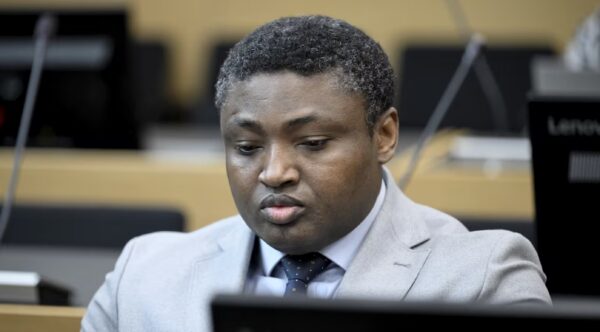
LAHTI, FINLAND – The Päijät-Häme District Court in Lahti, Finland delivered a unanimous verdict on Monday, sentencing Simon Ekpa to six years imprisonment for terrorism-related offences, marking a significant development in international efforts to combat digital incitement and cross-border terrorism financing.
The 40-year-old Nigerian-born Finnish citizen, who proclaimed himself “Prime Minister” of the Biafra Republic Government in Exile, was convicted of participating in terrorist organization activities, inciting public crimes with terrorist intent, aggravated tax fraud, and violations of Finland’s Lawyers Act. The court found that between August 2021 and November 2024, Ekpa systematically used his substantial social media following to orchestrate violence in Nigeria’s southeastern region.
Finnish prosecutors presented evidence showing Ekpa leveraged his political influence gained through social media to exploit divisions within Nigeria’s separatist movements. The court determined he supplied weapons, explosives, and ammunition to armed groups through his contact networks while encouraging followers on platform X to commit crimes against Nigerian civilians and authorities.
International Diplomatic Pressure Bears Fruit
The conviction followed sustained diplomatic pressure from Nigeria’s government, which had repeatedly requested Finnish intervention regarding Ekpa’s activities. President Bola Tinubu praised Finland’s cooperation in January 2025, stating his administration “will not tolerate actions and statements that could lead to divisiveness among citizens.”
Finnish authorities arrested Ekpa in December 2024 alongside four others initially suspected of financing his operations, though charges against the co-conspirators were later dropped due to insufficient evidence. The arrest created tensions within Nigeria’s Finnish community, with many Nigerian residents reportedly fearing retribution from Ekpa’s supporters.
Nigeria’s Defence Headquarters welcomed the conviction as a “significant victory” in counterterrorism efforts, with army spokesperson Tukur Gusau expressing hope for eventual extradition proceedings. However, the Indigenous People of Biafra (IPOB) distanced itself from Ekpa, with spokesman Emma Powerful stating he “has never been a registered member of IPOB” and accusing him of recruiting “violent criminals to destabilize the South East region.”
Content Creator Defense Sparks Social Media Backlash
In a surprising courtroom twist that generated widespread social media mockery, Ekpa denied IPOB membership during cross-examination, claiming he was merely a “content creator” producing entertainment videos. This defense strategy backfired spectacularly online, with users across platforms condemning what they viewed as cowardice from someone who previously claimed responsibility for deadly sit-at-home protests in southeastern Nigeria.
The trial, conducted over 12 sessions between May and June 2025, heard testimony from neighbors who alleged Ekpa used coded language during phone calls to coordinate violence. Social media users particularly criticized his failure to use the court platform to present Biafran independence arguments, instead opting for what many called an “escape route” defense.
Enugu State Government offered to provide evidence of “Ekpa-sponsored atrocities” to aid his conviction, describing him as a “common criminal, con man, and terrorist” who has “no interest of Igbo people at heart.” The government accused him of “living large off their misery” while operating from the safety of his Finnish residence.
This landmark case establishes important precedents for how international courts handle politically-motivated digital incitement, particularly when social media campaigns orchestrated from abroad result in real-world violence and civilian casualties.