



Nigeria’s Economic Management Team has identified four staples for price-stability work under a 90-day plan: cassava, yams, maize and rice. Its November briefing links the cost of those foods to two practical problems, getting inputs to growers and preventing losses after harvest.
Finance Minister Taiwo Oyedele chaired the November 18 meeting in Abuja. In an account published on November 20, the ministry said the National Economic Council had approved the plan and the Federal Executive Council had endorsed it. The team discussed how to direct agricultural support more precisely to farmers.
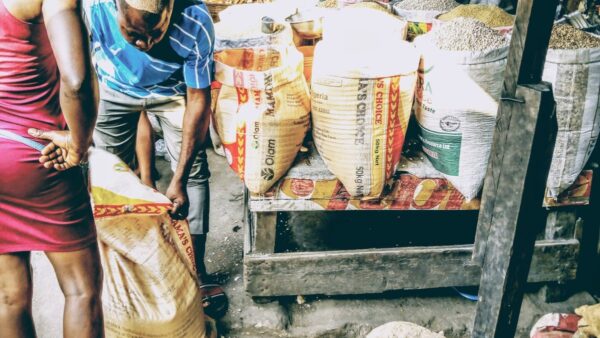
The two interventions operate at different points in the food supply. Inputs reach the grower before harvest. Reducing losses can make more of an existing crop available to processors and market traders. For a grain seller, a larger harvest offers little relief if stock is lost before it reaches the stall.
The ministry’s briefing identifies priorities rather than setting retail prices. It gives households no official price per bag of rice or maize. Local market observations will therefore remain important for tracking whether the programme changes what shoppers pay.